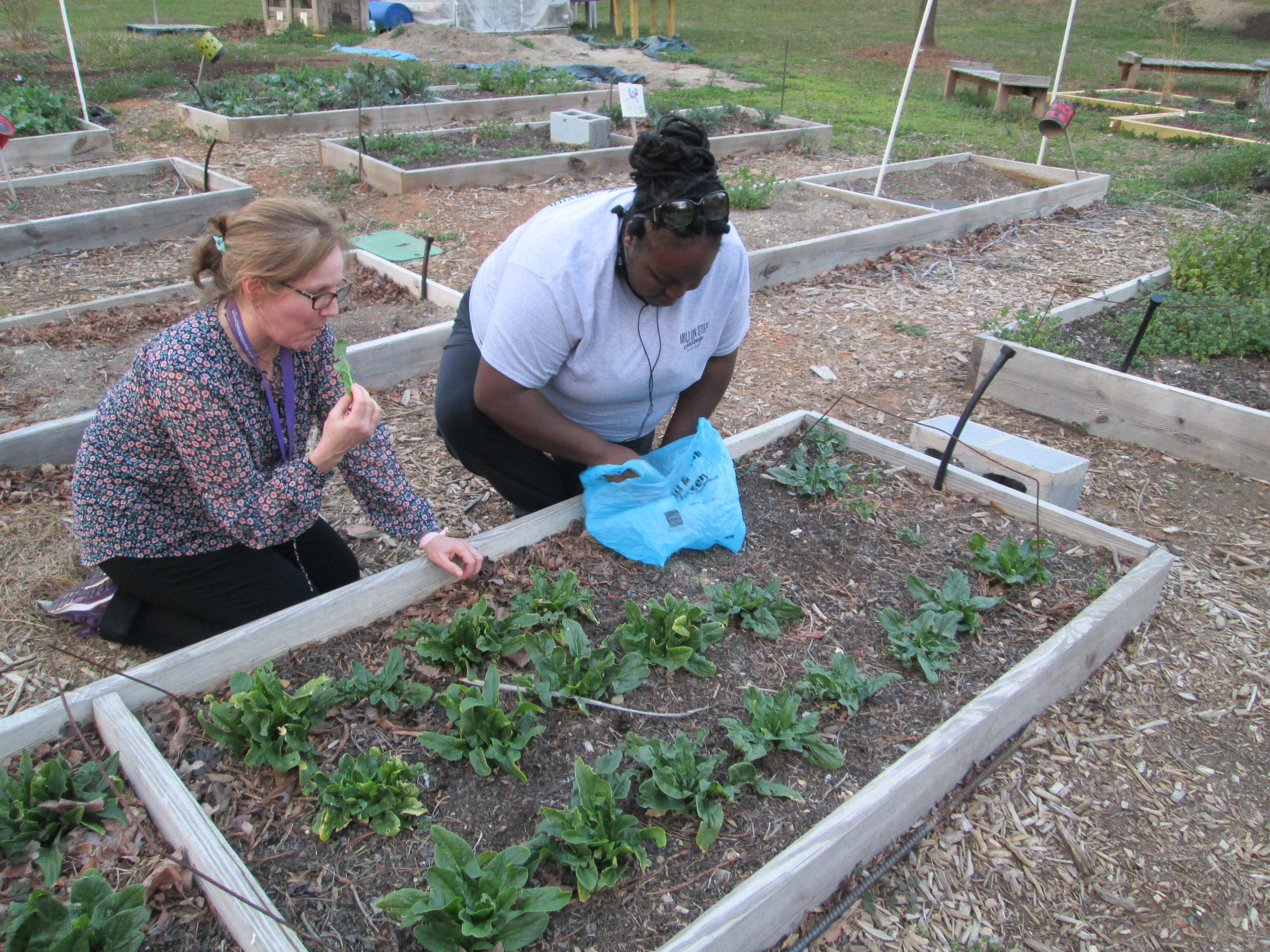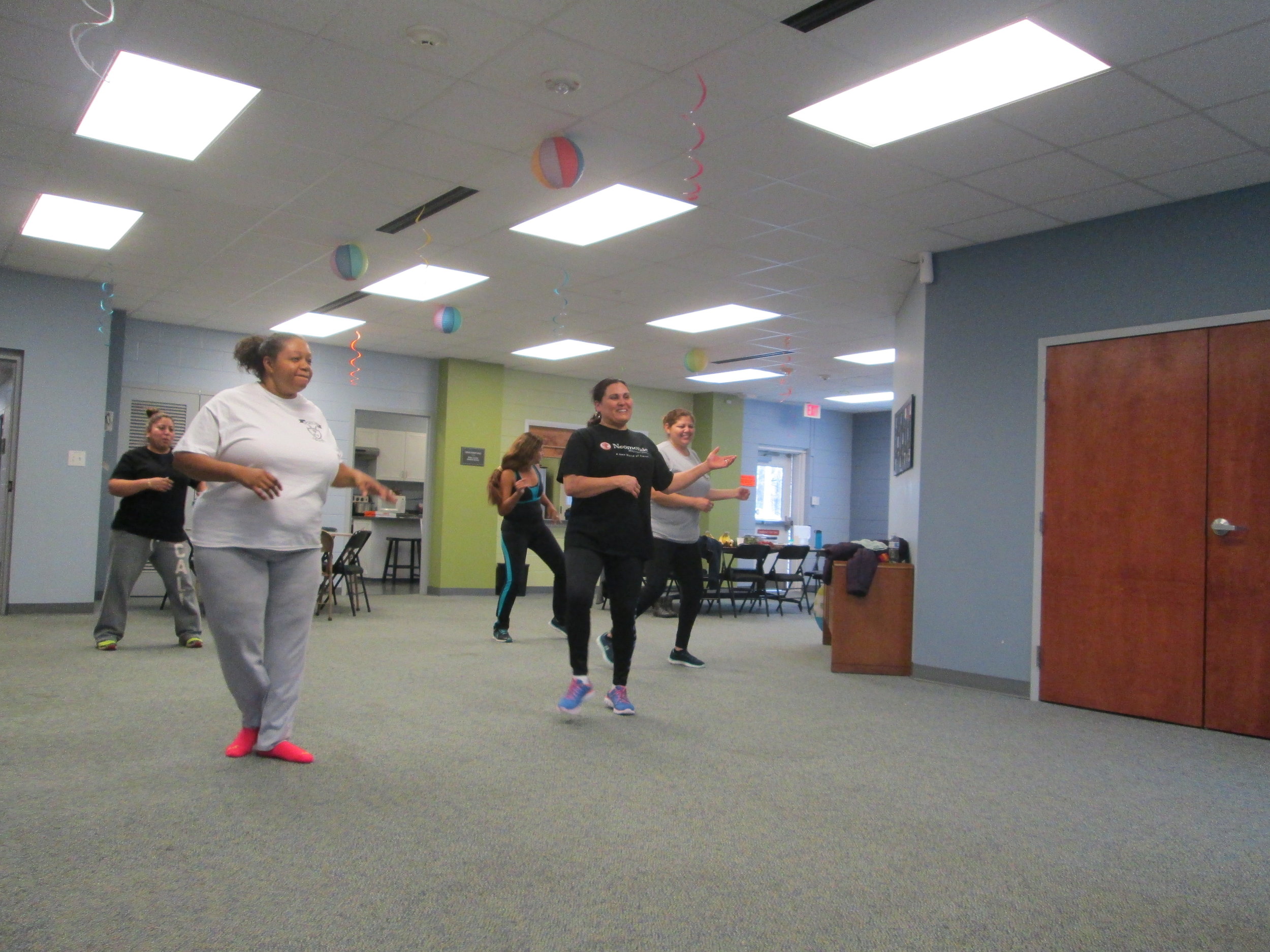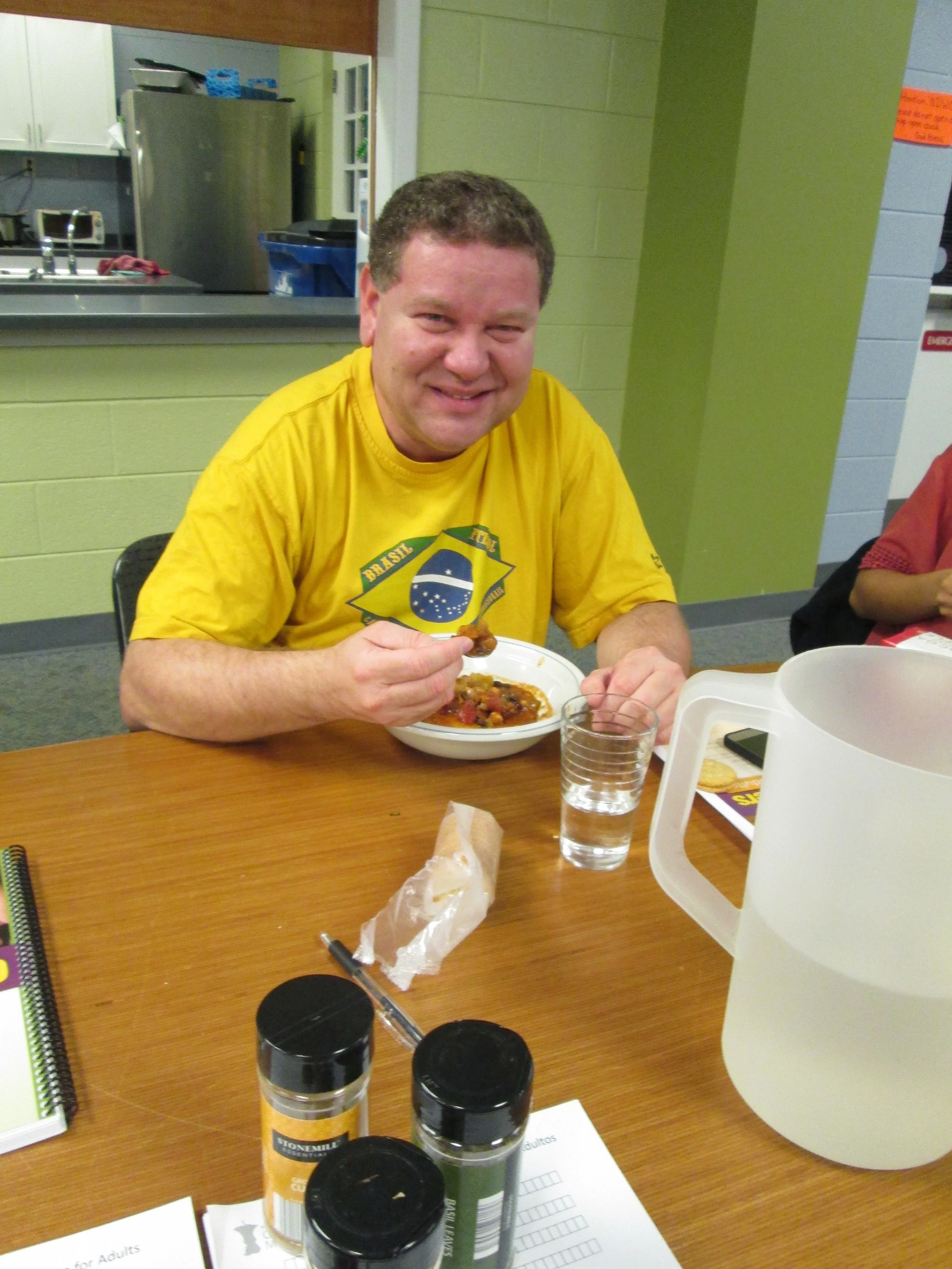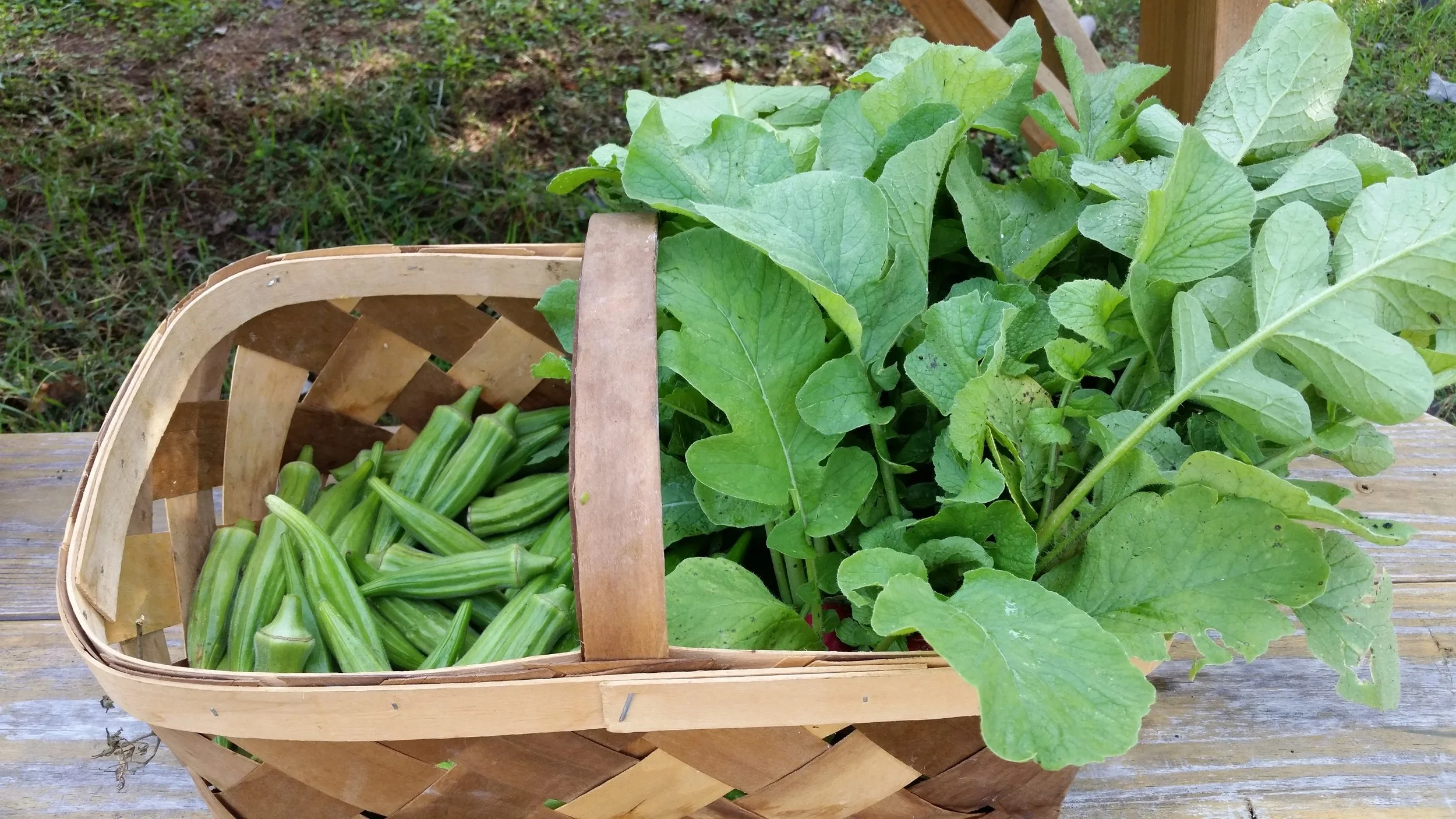
At the second Cooking Matters class, participants learned about the similarities and differences between fresh, canned, and frozen fruits and vegetables. They also discussed shopping for seasonal produce, learning how to make easy substitutions in recipes, and the importance of choosing whole grains.
The cooking portion included preparing a dish that incorporates fruits, vegetables, and whole grains. This has definitely been the best recipe yet! Our pineapple quinoa stir-fry included carrots, celery, bok choy, green onions, hot and sweet peppers, peas, peanuts, quinoa, garlic, basil, and ginger. Check out the recipe below! Please note that this recipe is very versatile. You can easily add or substitute ingredients.
Pineapple Quinoa Stir-fry
Makes approximately 4-5 servings
Ingredients
Quinoa:
1 cup quinoa, well rinsed and drained
1 cup pineapple juice (to reduce sugar intake, water or low-sodium vegetable broth can be used)
1 cup cold water
1/3 tsp soy sauce (low-sodium)
Stir-fry:
4 ounces cashews or peanuts, raw and unsalted
3 TBSP peanut oil (to make this oil-free, substitute it with water or vegetable broth)
2 scallions, sliced thinly (regular onions are a great substitution)
2 cloves garlic, minced (or more to taste)
1 hot red pepper, sliced into very thin rounds (optional)
½- inch piece ginger, peeled and minced
1 red bell pepper, seeded and diced
1 cup frozen green peas or cooked edamame
½ cup fresh basil leaves, rolled and sliced into thin shreds
2 TBSP finely chopped fresh mint
10 ounces fresh pineapple, cut into bite-size chunks (about 2 cups)
3 TBSP vegetable stock (low-sodium)
3 TBSP soy sauce (optional)
1 TBSP mirin (optional: this can be left out)
Lime wedges for garnish
Directions
Quinoa
1. Combine the quinoa, juice, water, and soy sauce (optional) in a medium-size pot.
2. Cover, place over high heat, and bring to a boil.
3. Stir a few times, lower the heat to medium-low, cover, and cook from 12 to 14 minutes until all
the liquid has been absorbed and the quinoa appears pumped and slightly translucent.
4. Uncover, fluff, and let cool.
5. For best results, place the quinoa in an airtight container and refrigerate overnight. If you’re in a
hurry, chill the covered quinoa for at least an hour. When ready to use, break up any chunks of the
cold quinoa with a fork. (Optional: you can use the quinoa right away & the result is still great!)
Stir-fry
1. Use the largest nonstick skillet you have (at least 11 inches in diameter) or a wok.
2. Have all of your ingredients chopped and easily within reach.
3. Place the cashews or peanuts in the dry pan and heat over low heat, stirring them, until lightly
toasted, 4 to 5 minutes.
4. Remove the cashews or peanut from the pan, raise the heat to medium, and add the peanut oil,
scallions, and garlic.
5. When garlic starts to sizzle, add the sliced hot pepper and ginger. Stir-fry for about 2 minutes,
and then add the bell pepper and pea or edamame. Stir-fry for another 3 to 4 minutes, until the
bell pepper is softened and the peas are bright green.
6. Add the basil and mint, and stir for another minute before adding the pineapple and quinoa.
7. In a measuring cup, combine the soy sauce (optional), vegetable stock, and mirin. Pour over the
quinoa mixture. Stir to incorporate completely and coat the quinoa.
8. Continue to stir-fry for 10 to 14 minutes, until the quinoa is very hot (it helps to use two
spoons/spatulas to scoop the quinoa around).
9. Serve with lime wedges, if desired.