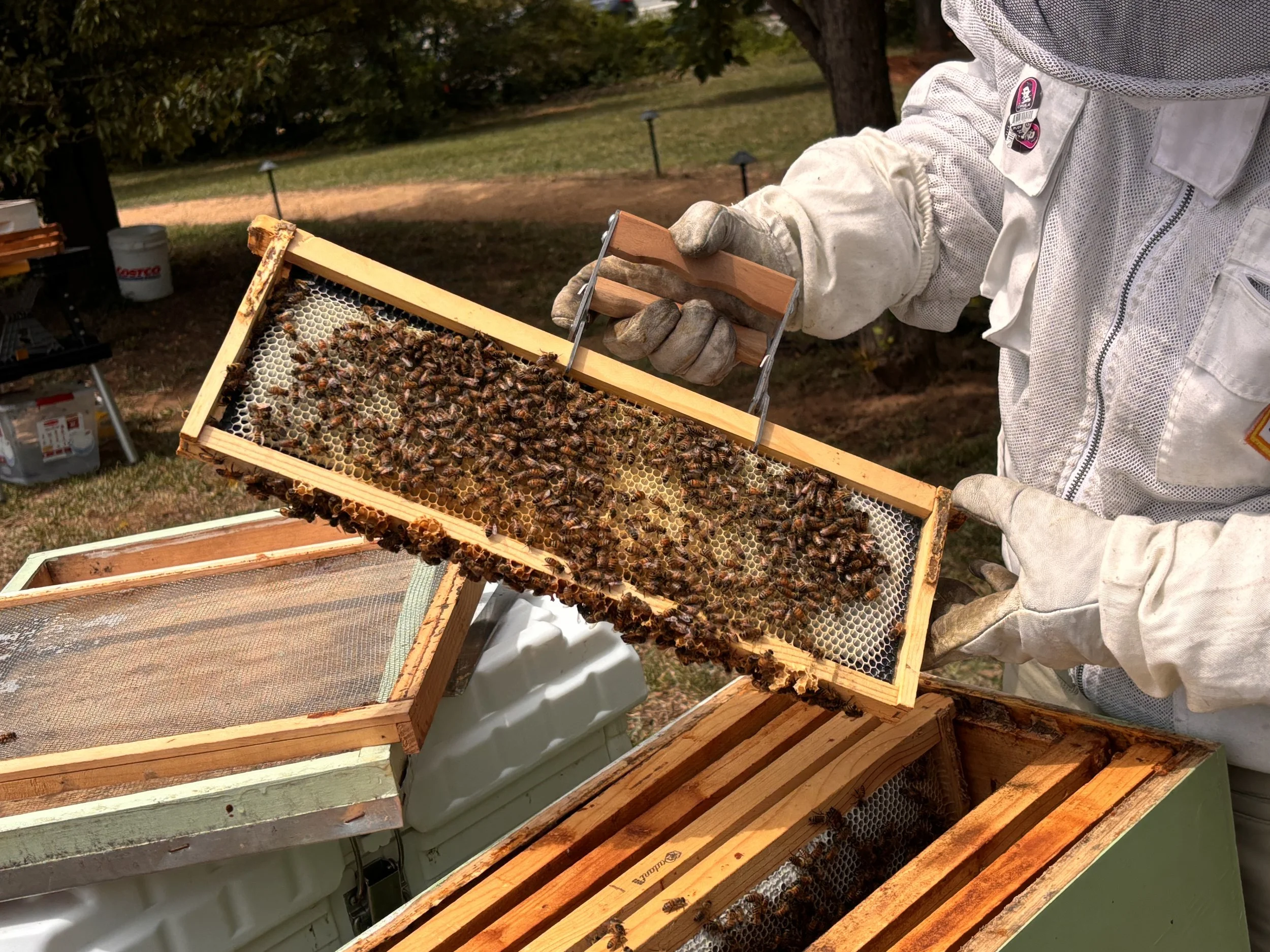
Every day, small pollinators visit the flowers in our pollinator garden here at Alliance Medical Ministry (AMM) — honey bees among them, doing quiet but essential work. Without them, our garden couldn’t produce the food we're able to share with our patients.
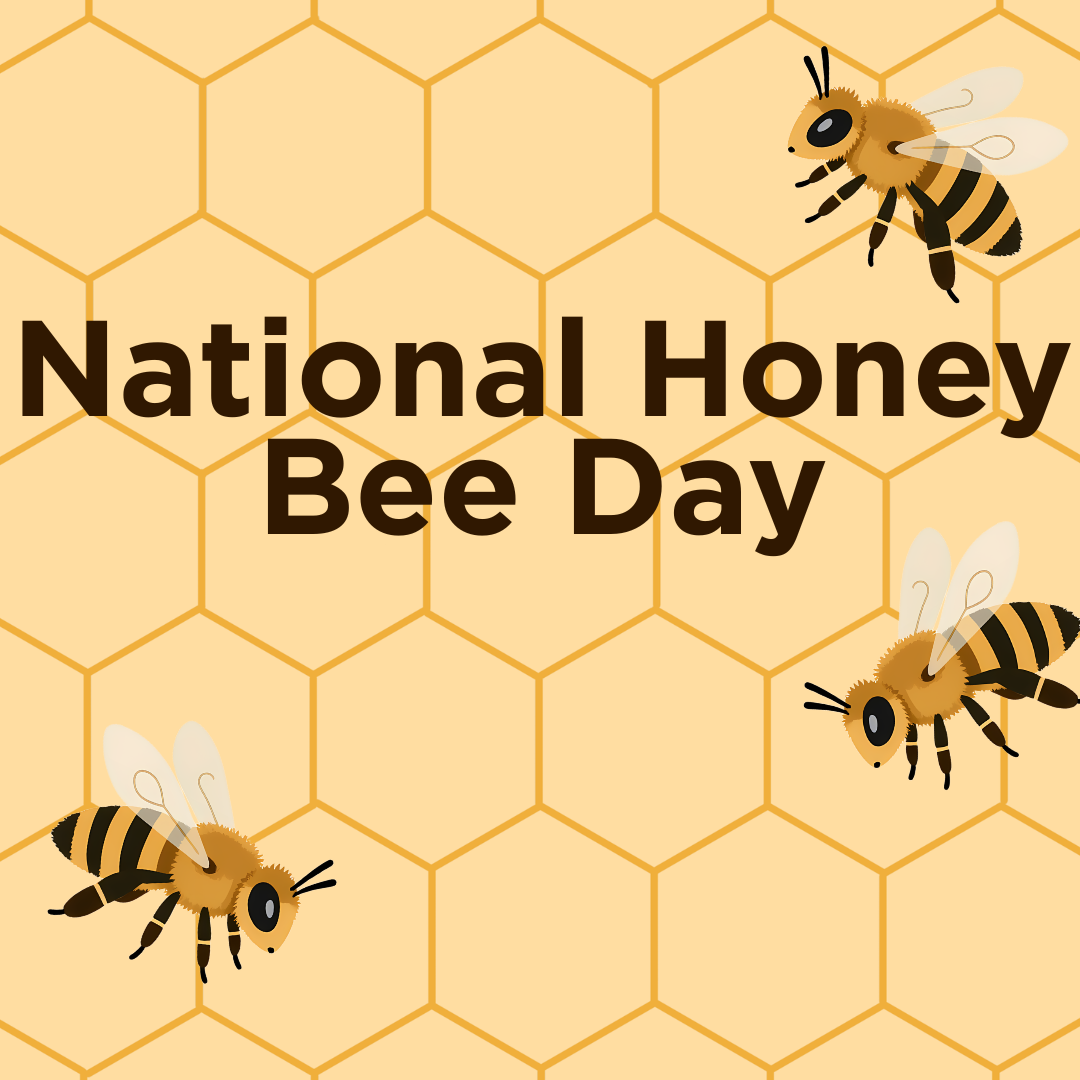
This year National Honey Bee Day falls on August 15th, and we wanted to take a moment to appreciate one of the sweetest results of their labor: honey!
Honey has been used by humans for thousands of years as a food preservative, a currency, a religious offering, and even a remedy for wound healing. Today, researchers are catching up to what ancient traditions already knew — honey isn't just a sweetener; it's a genuinely amazing food, especially from a health standpoint.
Although more comprehensive studies are needed to fully understand its effects and safety, here’s what the research says so far:
Honey contains small amounts of vitamins, minerals, and antioxidants. Antioxidants are natural compounds that help protect your cells from damage that can contribute to premature aging and chronic disease.
Honey has antibacterial, anti-inflammatory, and antiviral properties that can help soothe coughing and upper respiratory symptoms.
Honey contains enzymes (special proteins) that fight off bacteria and germs. These enzymes contribute to honey's ability to promote healing when used as a topical treatment for certain types of burns and infected wounds.
Honey is a wonderful example of how food, nature, and health are deeply connected. It illustrates why AMM’s approach to patient care includes our community garden, nutrition education, and wellness programming as we support sustainable, whole-person health.
Here are some ways you can celebrate National Honey Bee Day
Buy local raw honey
Swap honey for refined sugar in your tea or recipes
Plant pollinator-friendly flowers in your yard
Visit AMM's community garden
Volunteer with AMM’s Garden & Wellness program. Get started here!
(SAFETY NOTE! Honey tastes great and offers potential health benefits, but it should NEVER be given to babies under the age of 1 year due to the risk of infant botulism. Additionally, people managing diabetes should talk with their healthcare provider before making honey a part of their diet, since it is a form of sugar.)
– Written by Tara Conti, MSN, RN, FNP
Sources
Almasaudi, "The antibacterial activities of honey," Saudi Journal of Biological Sciences (2021).
Tlak Gajger et al., "Antioxidant Capacity and Therapeutic Applications of Honey," Antioxidants (2025).
Wang et al., "Composition, functional properties and safety of honey: a review," Journal of the Science of Food and Agriculture (2023).