
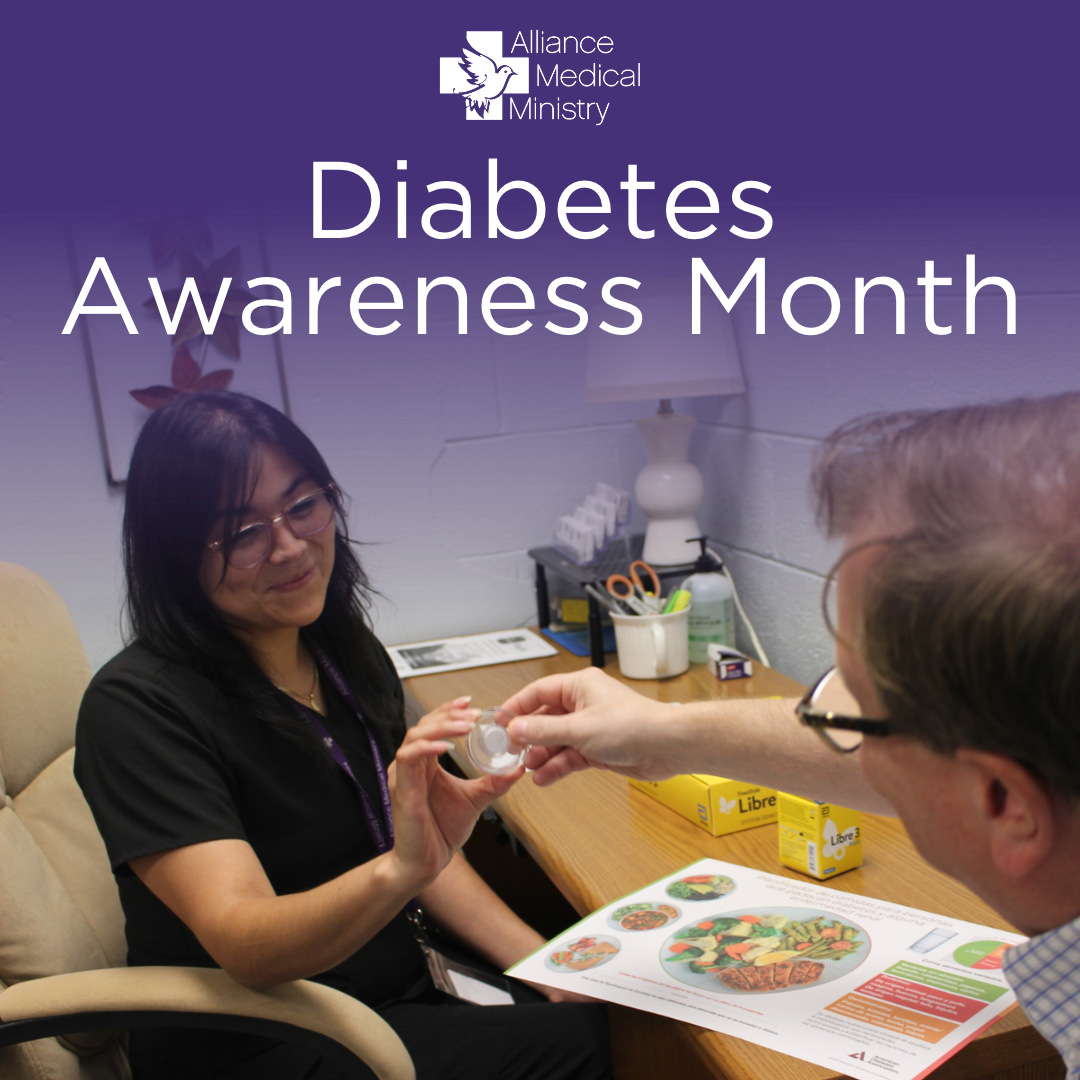
Did you know that diabetes is very common? It is estimated that about 1 in 8 people in the U.S. have it, which is around 40 million people. There are an additional 115 million US adults who have prediabetes. Here are some important facts about diabetes that everyone should know.
What Is Diabetes?
Diabetes happens when your body can’t use or make enough insulin, a hormone that moves glucose (sugar) from your blood into your cells. Over time, high levels of sugar in the blood can damage the heart, eyes, kidneys, and nerves.
What Are the Different Types of Diabetes?
Type 1: The immune system attacks the cells that make insulin, so the body makes little or none. Type 1 is usually found in children or young adults but can start at any age.
Type 2: The body doesn't use insulin well. This is the most common type (about 90-95% of diagnosed cases) and often develops later in life.
Gestational: This type shows up during pregnancy. It usually goes away after the baby is born, but it raises the mother's chance of getting type 2 diabetes later.
What Does Prediabetes Mean?
Prediabetes means blood sugar is higher than normal, but not high enough to be called diabetes. If not addressed, it can turn into type 2 diabetes.
It usually causes no symptoms. More than 80% of adults with prediabetes don't know they have it.
Lifestyle changes can prevent prediabetes from turning into type 2 diabetes.
Who Is at Risk for Developing Type 2 Diabetes?
People over 35
People who are overweight or get very little exercise
People with a parent or sibling who has type 2 diabetes
People who have high blood pressure or unhealthy cholesterol levels
People who have PCOS (polycystic ovary syndrome), a hormone condition in women
People of certain races and backgrounds: About 9 out of every 100 White adults have been diagnosed, compared with 13 out of every 100 Hispanic and 15 out of every 100 Black adults.
How do you get tested for Diabetes?
Testing is done with a simple blood test, either an A1C test or a fasting glucose test. The A1C shows your average blood sugar over the past few months. The fasting glucose shows your blood sugar now.
Experts give slightly different advice on how often to get tested, but generally if you have risk factors you should be tested every 3 years. If you have prediabetes, you should be tested yearly.
What are the Symptoms of Diabetes?
Feeling very thirsty or hungry
Feeling tired a lot
Needing to urinate often, especially at night
Losing weight without trying
Blurry vision
Numbness or tingling in the hands or feet
Cuts or sores that heal slowly
Many people have no signs at all, which is why getting tested is important!
How is Diabetes Prevented?
Unfortunately type 1 can’t be prevented and sometimes neither can gestational diabetes, but type 2 diabetes often can be.
Evidence has shown that people who eat healthier and exercise more can decrease their risk for type 2 diabetes by about 58%
For some people losing weight, in addition to improving diet and exercise, is also helpful.
General recommendations include moving your body most days, choosing more fruits and vegetables, and keeping blood pressure and cholesterol in healthy ranges.
How is Diabetes Managed Once You're Diagnosed?
Type 1 diabetes is treated with insulin injections
Type 2 diabetes and gestational diabetes are sometimes treated with diet and exercise changes alone, but many people are prescribed medication to control it.
Without good care, diabetes can cause serious problems such as heart disease, stroke, vision loss, kidney failure, and even amputation. Regular doctor visits and following your doctor’s recommendations are very important to prevent these.
How Can Alliance Medical Ministry (AMM) Help?
Talk to your provider at AMM about your risk factors for diabetes to determine when you should be tested.
If you are diagnosed with diabetes, AMM offers ongoing care, medication help, nutrition help, and fitness opportunities to manage it.
- Written by Tara Conti, MSN, RN, FNP
Sources
Centers for Disease Control and Prevention. “National Diabetes Statistics Report.”
United States Diabetes Surveillance System, usdss.cdc.gov. https://usdss.cdc.gov/diabetes/report.html
American Diabetes Association Professional Practice Committee. “Diagnosis and Classification of Diabetes: Standards of Care in Diabetes—2026.” Diabetes Care. https://doi.org/10.2337/dc26-S002
American Diabetes Association Professional Practice Committee. “Prevention or Delay of Diabetes and Associated Comorbidities: Standards of Care in Diabetes—2026.” https://pmc.ncbi.nlm.nih.gov/articles/PMC12690170
U.S. Preventive Services Task Force. “Screening for Prediabetes and Type 2 Diabetes” (2021). JAMA. https://doi.org/10.1001/jama.2021.12531
National Institute of Diabetes and Digestive and Kidney Diseases. “Risk Factors for Type 2 Diabetes.” National Institutes of Health, niddk.nih.gov.
https://www.niddk.nih.gov/health-information/diabetes/overview/risk-factors-type-2-diabetes